- Home
- >
- News
- >
- Company news
- >
- Application Analysis of Ultra-Fine 316L Gas-Atomized Stainless Steel Powder (D50: 3.5-4.5μm) in Metal Injection Molding (MIM)
Application Analysis of Ultra-Fine 316L Gas-Atomized Stainless Steel Powder (D50: 3.5-4.5μm) in Metal Injection Molding (MIM)
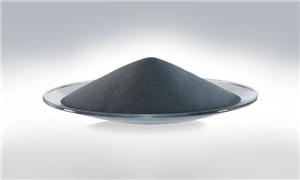
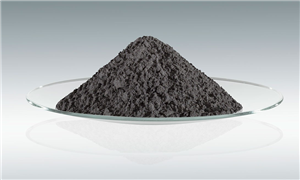
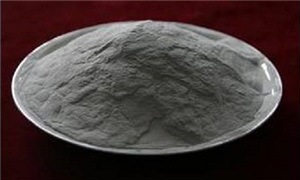
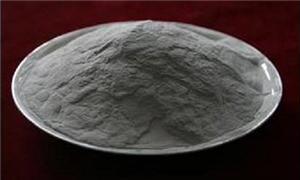
With the widespread application of Metal Injection Molding (MIM) technology, 316L stainless steel powder has become a commonly used material in the MIM process due to its excellent corrosion resistance and mechanical properties. Especially, ultra-fine 316L gas-atomized stainless steel powder (D50: 3.5-4.5μm), as a new type of powder, with its fine particle size and narrow particle size distribution, is particularly suitable for high-precision fields such as medical devices, electronic equipment, and automotive components. This paper provides an in-depth analysis of the application of ultra-fine 316L gas-atomized stainless steel powder in MIM, discussing its advantages, challenges, and solutions.
I. Characteristics of Ultra-Fine 316L Gas-Atomized Stainless Steel Powder
1. Ultra-Fine Particles and Distribution Characteristics
The D50 of ultra-fine 316L powder ranges from 3.5 to 4.5μm. Compared to traditional metal powders, its particles are finer and have a narrower size distribution. This allows the ultra-fine powder to better fill molds in the MIM process, improving product precision and detail. Additionally, the smaller particle size increases the powder's specific surface area, which is crucial for optimizing the molding process and enhancing the performance of the final parts.
2. Gas-Atomization Production Process
The powder is produced using inert gas atomization, resulting in a low oxygen content, which helps improve the chemical stability of the product. The low oxygen content reduces the formation of pores during sintering, ensuring the density and strength of the final parts while also imparting excellent mechanical polishing properties to the product.
3. Higher Sintering Driving Force with Ultra-Fine Particles
The size of the sintering driving force is closely related to the surface energy, particle size, and the gaps between particles. Compared to larger powder particles, ultra-fine powders have a greater specific surface area, which accelerates the diffusion of gases (such as hydrogen or nitrogen) during the sintering process and promotes heat conduction. This rapid gas diffusion and heat transfer help particles contact each other, accelerating the sintering process.

II. Advantages of Ultra-Fine 316L Gas-Atomized Powder in MIM Applications
1. Advantages During the Sintering Process
★Improved Density: Due to the larger surface area of ultra-fine particles, higher density can be achieved during sintering, which is crucial for producing high-precision, high-density parts in MIM applications.
★Grain Refinement: Smaller powder particles form finer grains during sintering, which generally improves the material's mechanical properties (such as tensile strength, hardness, and toughness).
★Uniformity: Ultra-fine powder particles are typically more uniform in shape, ensuring better overall uniformity during the sintering process and avoiding density issues caused by larger particles.
2.Excellent Surface Quality
Due to the small and uniform size of ultra-fine powder, parts produced in the MIM process have smoother surfaces, reducing the need for post-processing. The final molded parts have high surface quality, contributing to increased production efficiency and lowering post-production costs.
3.Reduction of Post-Processing Costs
Ultra-fine 316L parts produced via MIM typically exhibit good density and strength, reducing the need for subsequent heat treatments or surface treatments. This not only improves production efficiency but also significantly lowers post-processing costs.
III. Challenges and Solutions for Ultra-Fine 316L Gas-Atomized Powder in MIM Applications
1. Powder Flowability and Molding Difficulty
Although ultra-fine 316L powder offers excellent precision and surface quality in MIM, its larger specific surface area presents certain challenges during feed preparation. If the binder formulation is not suitable, it may affect the adhesion between the powder and the binder, which in turn affects mold filling, especially during the molding of complex parts. Therefore, optimizing the powder-binder mixing ratio and improving the binder formulation to enhance their adhesion is key to ensuring high-quality molding and improved feed flowability.
2. Shrinkage Control During Sintering
Due to the large specific surface area of ultra-fine powders, significant shrinkage may occur during sintering, requiring more precise control over the dimensions of the parts. To prevent excessive shrinkage and deformation, sintering temperature, time, and atmosphere must be precisely controlled to ensure the final parts meet the required dimensions and shapes.
3. Porosity Issues and Sintering Density
Ultra-fine powders may develop porosity due to their high specific surface area during the sintering process, which can affect the density and mechanical properties of the parts. To mitigate this, sintering atmosphere can be optimized, sintering temperature can be increased, or post-sintering hot isostatic pressing (HIP) can be used to reduce porosity and enhance part density and strength.
4. Cost Issues
The production cost of ultra-fine 316L gas-atomized powder is currently high, which could affect the economic feasibility of certain applications. However, as production processes improve, costs are expected to gradually decrease, which is an inevitable trend with technological advancements.

IV. Typical Application Areas of Ultra-Fine 316L Gas-Atomized Powder in MIM
1. Medical Industry
Ultra-fine 316L powder, with its excellent biocompatibility and corrosion resistance, is widely used in the manufacturing of medical devices, implants, and surgical instruments. For example, surgical instruments, dental implants, and joint replacement parts produced using MIM technology exhibit extremely high precision and reliability.
2. Electronics and Precision Engineering
In the electronics industry, ultra-fine 316L powder is used to manufacture precision parts such as casings, connectors, and sensors. MIM technology enables precise control of part dimensions, and the high surface finish of the powder ensures these parts have high assembly precision and an aesthetically pleasing appearance.
3. Automotive Industry
In the automotive industry, ultra-fine 316L powder is used to manufacture high-strength components, such as fasteners, valves, gears, and seals. These parts require high corrosion resistance, strength, and wear resistance, and MIM technology can meet these requirements while reducing production costs.
Conclusion
Ultra-fine 316L gas-atomized stainless steel powder (D50: 3.5-4.5μm) is a high-performance material that demonstrates unique advantages in the production of high-precision and complex parts using MIM technology. Although challenges such as powder flowability, sintering shrinkage, and porosity exist, these issues can be effectively overcome through process and equipment optimization. As MIM technology continues to advance, the application prospects of ultra-fine 316L powder will become even broader, particularly in high-precision, high-performance fields such as medical devices, electronics, and automotive components. Our ultra-fine 316L gas-atomized powder has successfully passed mid-scale trial validation with our clients.